
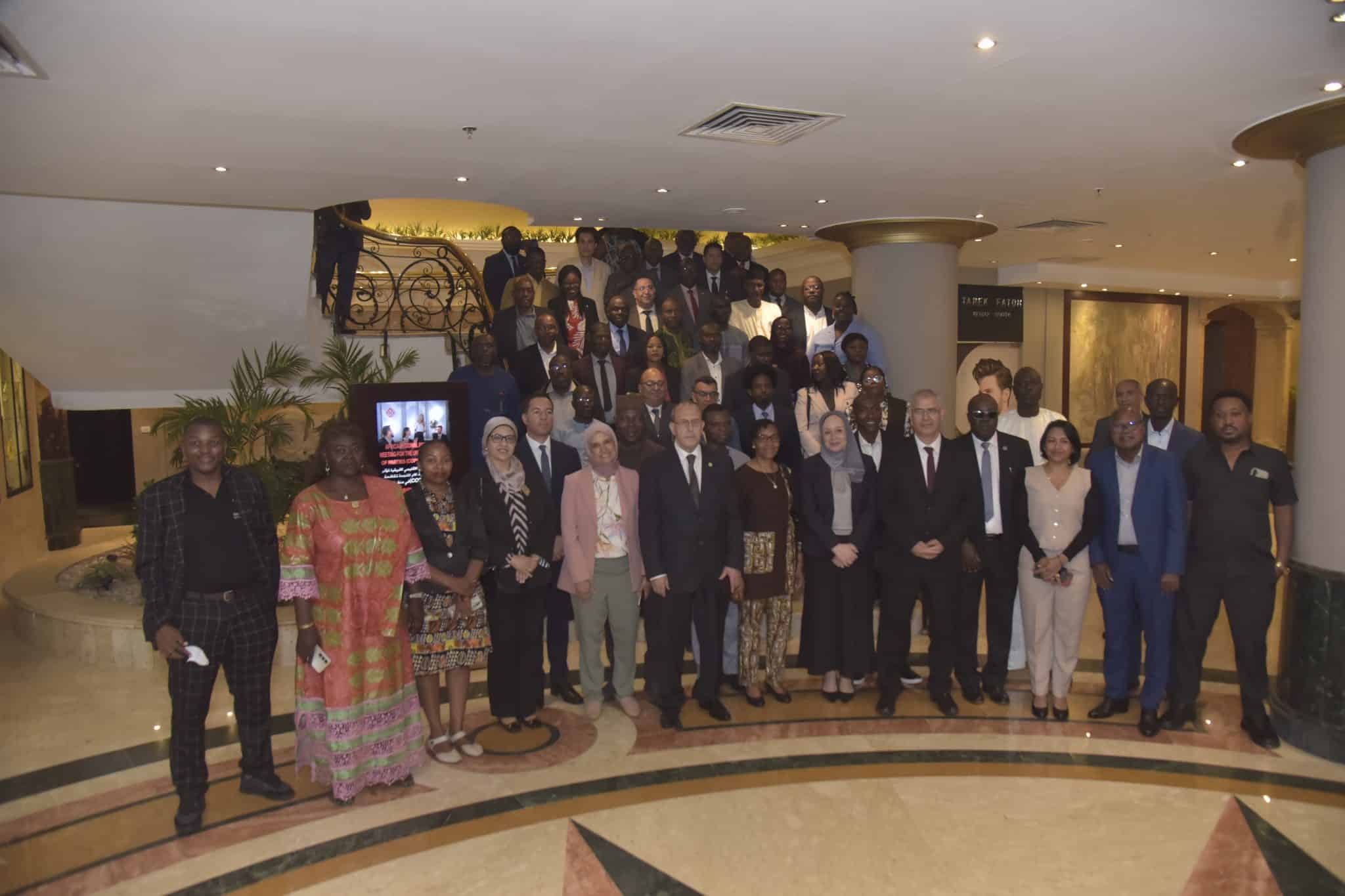
The meeting is of exceptional importance and pivotal value for the African continent. This session comes at a time when desertification, drought, and land degradation are escalating due to climate change, posing a direct threat to food security, peace, and stability in Africa, which is the region most affected by these phenomena globally. The meeting also coincides with a crucial stage of deliberations and reviews concerning the draft drought protocol. The African Union Commission, through sponsoring this three-day meeting, seeks to enable national focal points and stakeholders within the African Group of Negotiators to review the agenda of the UN conference and familiarize themselves with the issues under discussion. This includes identifying the continent’s priorities and concerns to influence final decisions, developing strategies for building strong alliances with negotiators from other regions, and strengthening the link between science and policy by engaging science and technical correspondents to bolster the scientific basis of the negotiations.
The meeting aims to produce a set of key outcomes that will benefit African environmental action. These include agreeing on a common agenda and unified negotiating positions for the Ulaanbaatar conference, thoroughly reviewing the drought protocol, and agreeing to form negotiating teams. A diverse range of stakeholders are involved in shaping this vision, including the African Group of Negotiators, African regional institutions, regional economic communities, UN agencies, civil society organizations, international non-governmental organizations, and environmental journalists. This continental movement comes with the direct support and coordination of key partners, led by the Executive Secretariat of the United Nations Convention to Combat Desertification and the Regional Coordination Unit for Africa, the Chair of the African Group, Côte d’Ivoire, and the Arab Republic of Egypt as the host country.
On the sidelines of the meeting of the Africa Regional Preparatory Meeting for the UNCCD Conference of the Parties (COP17) in Mongolia: Interview with Dr. Ahmed Elmekass, coordinator of the African Union Office for Agricultural Research and Development (AU-SAFGRAD).
“Dr. Elmekass”: Desertification threatens African agricultural production… and addressing drought is a top priority.”
Dr. Ahmed Elmekass, coordinator of the African Union Office for Agricultural Research and Development (AU-SAFGRAD), announced that the office is currently organizing the regional preparatory meeting for the African continent, in preparation for the Conference of the Parties to the United Nations Convention to Combat Desertification (COP17).
Dr. Elmekass explained that this regional meeting aims primarily to open the door for consultation and exchange of views between officials in various African countries, to discuss all issues related to the files of desertification and drought, as the continent seeks, through this coordination, to formulate a unified and strong position that represents African interests to be officially presented during the activities of the Conference of the Parties scheduled to be held next August in Mongolia.
He highlighted the great suffering and harsh conditions faced by many African countries as a result of the worsening desertification and drought crises, noting that these phenomena negatively and directly affect local, regional and continental economies alike. This impact is clearly manifested in the decline in agricultural and livestock production rates and related activities, which is necessarily followed by a significant rise in unemployment rates. He warned that the severity of these crises could escalate in some affected areas, reaching the point of sharp conflicts and direct clashes between farmers and herders over available resources.
Addressing desertification and drought is no longer a secondary issue but has become a top priority on the agenda of decision-makers and officials across the African continent, who are giving it utmost importance. He cited as evidence the decisive resolutions issued by recent high-level meetings on the continent, most notably the meeting of ministers of agriculture, rural development, water, environment, and the blue economy, as well as the resolutions resulting from the meeting of African heads of state and government held in February of this year, 2026.
He stressed that managing drought crises and combating the expanding phenomenon of desertification is not the sole responsibility of governments or official institutions, but rather a shared and collaborative responsibility that falls on all parties without exception. He called for a collective effort and joint coordination that brings together governments, individuals at both the individual and collective levels, non-governmental organizations, universities, research institutes, and parliaments, to work together as a unified bloc to confront these critical challenges and resolve these crises that threaten the future of stability and development in the continent.
Source of the interview is below: